Source Eco Friendly Lined Bicycle Basket for Commuting, Cargo, and Kids
Find 29 eco friendly lined bicycle basket options from Hebei suppliers. Compare steel, plastic, and aluminum models with custom logos and CE or ISO certifications for road, mountain, and ordinary bikes; compare the available evidence and request quotations based on your requirements.
Key considerations
Products List
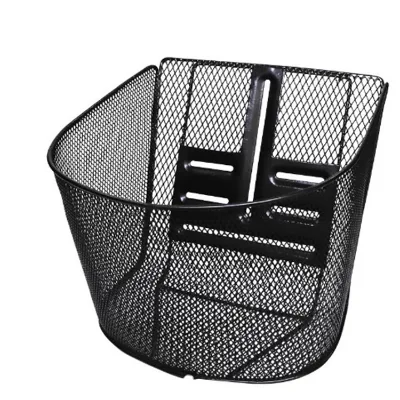
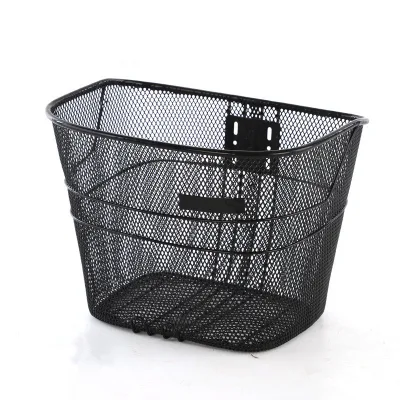


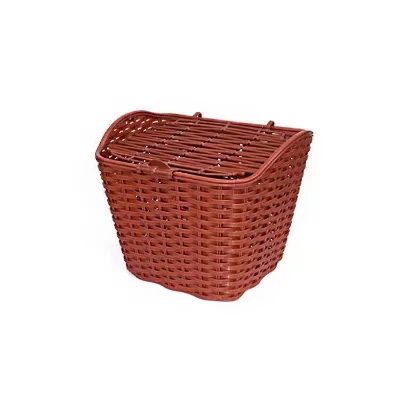


Comprehensive Sourcing Guide
Eco Friendly Lined Bicycle Basket Sourcing Guide
Sourcing eco-friendly lined bicycle baskets requires a nuanced understanding of material sustainability and structural integrity. Buyers must distinguish between baskets marketed as "eco-friendly" based on recycled content and those utilizing biodegradable liners. The observed market data indicates a strong presence of steel and plastic variants originating from Hebei, China, particularly Xingtai. Steel offers durability and recyclability, while plastic options may incorporate recycled polymers. The term "lined" suggests an internal coating or insert, often for protection or aesthetics, which must be evaluated for environmental impact. Procurement teams should prioritize suppliers who transparently disclose the composition of both the basket frame and the liner material.
Verification of sustainability claims is critical to avoid greenwashing. Buyers should request material safety data sheets and lifecycle assessments from potential vendors. The presence of certifications such as ISO or CE indicates adherence to quality and safety standards, which often correlates with better environmental management systems. However, these certifications do not automatically guarantee eco-friendly practices. It is essential to inquire about the sourcing of raw materials and the manufacturing process energy consumption. Establishing clear sustainability criteria in the initial request for quotation helps filter out suppliers who lack genuine environmental commitments, ensuring that the final product aligns with corporate social responsibility goals.
Product Scope and Observed Listing Signals
The current market landscape for bicycle baskets reveals a diverse range of product specifications and origins. Listings frequently highlight models such as HZ-987 and HZ-589, with dimensions varying significantly to accommodate different bicycle types. Sizes like 333223CM and 26*3324mm suggest versatility in application, from mountain bikes to road bikes. The observed price range of 0.12-6.99 USD indicates a highly competitive market with options for various budget tiers. Minimum order quantities (MOQs) range from 10 to 1000 pieces, allowing flexibility for both small retailers and large distributors. This variability requires buyers to carefully assess their volume needs against supplier capabilities.
Color and customization options are prominent features in the current listings. Black and white are common standard colors, but customized logos and basket colors are widely available. This flexibility allows brands to maintain visual consistency with their overall product line. The use of materials like steel, plastic, and aluminum provides different weight and durability profiles. Steel baskets offer robustness, while aluminum options may provide lighter weight solutions. Buyers should evaluate these material choices against their target market's preferences for durability versus portability. Understanding these listing signals helps in narrowing down the supplier pool to those who can meet specific aesthetic and functional requirements.
Technical Specifications to Verify
Technical verification begins with confirming the material composition and structural design of the basket. Steel and plastic are the primary materials observed, each with distinct properties. Steel provides high strength and longevity, suitable for heavy loads, while plastic offers corrosion resistance and lighter weight. The model numbers, such as HC-SD-008 and HC-BK-065, serve as unique identifiers for specific designs. Buyers must verify that the specified dimensions match their bicycle's handlebar or frame compatibility. The inclusion of features like caliper brake compatibility or specific spoke hole counts (32-40h) indicates integration with broader bicycle systems.
Lining and finish quality are critical technical aspects for eco-friendly baskets. The liner material should be non-toxic and durable, resisting wear and tear from daily use. Buyers should request samples to assess the adhesion of the liner to the basket frame. Additionally, the finish of the metal components should be checked for rust prevention, especially if the basket is intended for outdoor use. The presence of certifications like ISO9001 SGS suggests a standardized quality management system, which often translates to consistent product quality. Verifying these technical specifications ensures that the product meets both performance expectations and environmental standards.
Compliance and Safety Documentation
Compliance with international safety standards is non-negotiable for bicycle accessories. Certifications such as CE and ISO are frequently cited in listings, indicating adherence to European and international quality norms. Buyers must verify the validity of these certificates with the issuing bodies. The CE mark, in particular, is crucial for selling in the European market, ensuring that the product meets health, safety, and environmental protection standards. ISO certifications, such as ISO9001, demonstrate a commitment to quality management, which can indirectly support environmental compliance. These documents provide a baseline for assessing the supplier's reliability and product safety.
Environmental compliance documentation is equally important for eco-friendly claims. Buyers should request declarations of conformity for restricted substances, such as RoHS, if applicable. This ensures that the basket does not contain hazardous materials that could harm the environment or user health. Additionally, verifying the origin of the materials is essential. Sourcing from regions like Hebei, China, requires due diligence to ensure that local environmental regulations are being followed. Buyers should ask for evidence of sustainable sourcing practices, such as recycled content certificates or responsible manufacturing audits. This thorough documentation review mitigates legal and reputational risks associated with non-compliant products.
Cost Drivers and Commercial Terms
Cost structures for bicycle baskets are influenced by material prices, manufacturing complexity, and order volume. The observed price range of 0.12-6.99 USD reflects these variables. Steel and aluminum materials typically command higher prices than plastic due to processing costs. Customization, such as logo printing or unique color matching, adds to the unit cost. Minimum order quantities (MOQs) ranging from 10 to 1000 pieces allow for scalable purchasing. Larger orders often benefit from economies of scale, reducing the per-unit cost. Buyers should negotiate based on their projected volume to secure favorable pricing.
Commercial terms, including packaging and shipping, also impact the total cost of ownership. Packaging options like carton boxes (20PCS/CTN) are standard, but custom packaging may incur additional fees. Lead times and shipping methods should be clearly defined in the contract. Delays in production or shipping can disrupt supply chains, so buyers should establish clear penalties for non-performance. Payment terms, such as letters of credit or advance payments, should be aligned with the supplier's reputation and the order size. Understanding these cost drivers helps in budgeting accurately and avoiding hidden expenses during the procurement process.
Supplier Qualification and Quality Control
Supplier qualification involves a rigorous assessment of manufacturing capabilities and quality control processes. Buyers should visit factories or request virtual tours to verify production lines. The presence of standardized processes, indicated by ISO certifications, is a positive sign. However, direct observation of quality control checkpoints is essential. Suppliers should have clear procedures for inspecting raw materials, in-process production, and final products. This ensures consistency in product quality and reduces the risk of defects. Buyers should also assess the supplier's capacity to handle customization requests without compromising quality.
Quality control plans should be established before production begins. This includes defining acceptance criteria for dimensions, material strength, and finish quality. Regular audits and inspections during production can catch issues early. Buyers should request pre-shipment inspections to verify that the delivered goods meet the agreed specifications. Feedback loops with the supplier are crucial for continuous improvement. Establishing a strong relationship based on transparency and mutual respect can lead to better cooperation and problem-solving. Effective supplier qualification and quality control ensure that the eco-friendly bicycle baskets meet the highest standards of performance and sustainability.
Long-Term Procurement Checks
Long-term procurement success depends on continuous monitoring and relationship management. Buyers should regularly review supplier performance metrics, such as on-time delivery rates and defect percentages. This data-driven approach helps in identifying potential issues before they escalate. Regular communication with suppliers fosters collaboration and innovation. Buyers should encourage suppliers to adopt new sustainable technologies and materials. This proactive approach ensures that the product line remains competitive and environmentally responsible. Building a resilient supply chain requires adaptability and a commitment to continuous improvement.
Sustainability goals should be revisited periodically to align with evolving market expectations and regulations. Buyers should engage in joint sustainability initiatives with their suppliers, such as reducing carbon footprints or increasing recycled content. This collaborative effort can lead to significant environmental benefits and cost savings over time. Additionally, staying informed about industry trends and regulatory changes is crucial. Buyers should participate in industry forums and networks to share best practices and insights. Long-term procurement checks ensure that the sourcing strategy remains effective and aligned with the company's broader sustainability objectives.
FAQs
What materials are used for eco friendly lined bicycle baskets?
These baskets are constructed from steel, plastic, aluminum, or metal depending on the specific model. Some variants feature a leather saddle shell material for added comfort. Buyers can select the material that best suits their durability and weight requirements for the bicycle application.
Which certifications do these bicycle baskets typically hold?
Many products carry CE, ISO, or ISO9001 SGS certifications to ensure quality and safety standards. Some listings also mention ISOCE compliance. These certifications verify that the manufacturing processes meet international requirements for bicycle accessories and components.
Can I customize the logo and color of the basket?
Yes, customization is available for both logos and colors on many models. Buyers can request a customized logo and choose from options like black or white. The basket color can often be tailored to match specific branding or aesthetic preferences for the bicycle.
What is the minimum order quantity for these bicycle baskets?
The minimum order quantity varies by supplier and model, ranging from 20 pieces to 1000 pieces. Some specific listings indicate an MOQ of 30 pieces or 500 pieces. Buyers should check the specific product details to confirm the exact threshold for their order.
Where are these bicycle baskets manufactured?
The products originate from Hebei, China, specifically from locations like Xingtai City. This region is a known hub for bicycle component manufacturing. Buyers sourcing these items will find suppliers located in this specific province of China.
Which types of bicycles fit these baskets?
These baskets are designed to fit mountain bikes, road bikes, ordinary bicycles, and kids bikes. Some models are specifically noted for use on mountain or road bikes. The design accommodates various bicycle types to ensure a secure and functional fit for different riders.